
Forbidden Archaeology (I)
Egypt and the Technology of the Gods


The history of human civilization is commonly presented as a linear and comforting progression, from primitive groups of hunter-gatherers in the Paleolithic (2.5 million - 10,000 B.C.), passing through a supposed Neolithic “revolution” (10,000 – 3,000 B.C.), to culminating, almost by magic, in civilizations capable of erecting monuments whose complexity even today, with 21st-century technology, we could barely replicate.
However, this simplistic narrative—as deeply rooted as it is fragile—is beginning to wobble under the weight of numerous archaeological and technological anomalies. How is it possible that societies which had supposedly just abandoned rudimentary stone tools developed, spontaneously across the globe, scientific and technical knowledge that surpasses our own current capacity?
Official history, in effect, seems like a house of cards on the verge of collapsing. When the Giza plateau is subjected to a forensic engineering analysis, this narrative reveals insurmountable contradictions between the archaeological record and the physical marks left on the hardest materials of our planet.
According to textbooks, the Neolithic marked the beginning of sedentary life, agriculture, and domestication. However, on the Giza plateau, we encounter an inexplicable technological leap. While official science places the construction of the Giza pyramids in the 4th Dynasty, approximately 2500 B.C., technical evidence suggests a very different reality.
Far from being the start of an architectural evolution, the Great Pyramid of Khufu appears as an “impossible work” that had no predecessors of its caliber nor successors who managed to equal it. Its millimetric precision, astronomical alignment, and engineering defy not only the capabilities attributed to that era but also everything built afterward. In fact, the pyramids built after the Great Pyramid of Khufu are, in reality, “crude imitations” by a people who came upon the original work and tried to copy it without possessing the necessary technical knowledge.
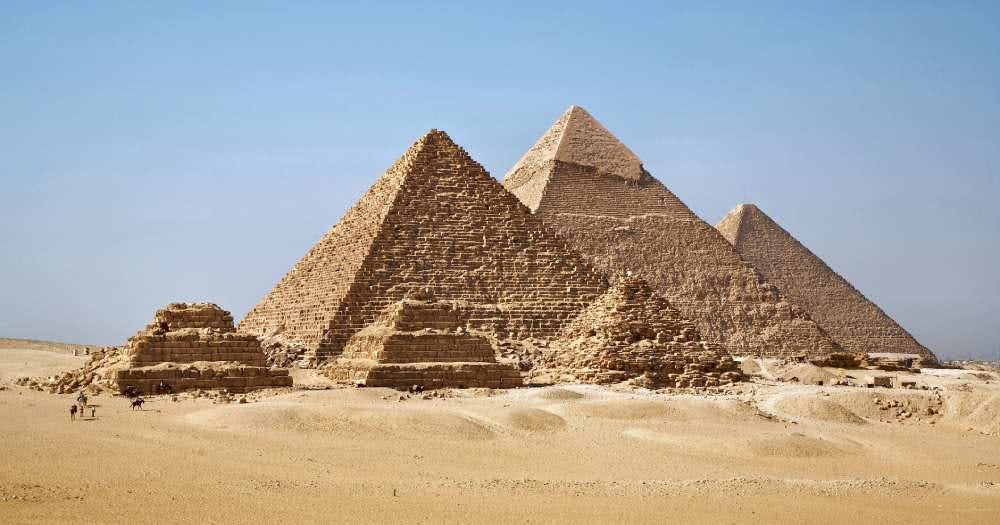
This confronts us with a paradox that official archaeology ignores: what we see is not an evolution, but what appears to be an “ascending involution”—a world that seems to have quickly forgotten superior knowledge. And this pattern is not exclusive to Egypt.
The pyramids, as a concept and structure, emerge as an echo on every continent: from the jungles of Teotihuacán in Mexico to the pyramidal structures of Bosnia (Europe), the forgotten pyramids of Xian in China, the sacred pyramids of Gunung Padang in Indonesia, and even traces in Australia, Japan, or the Canary Islands (Spain).

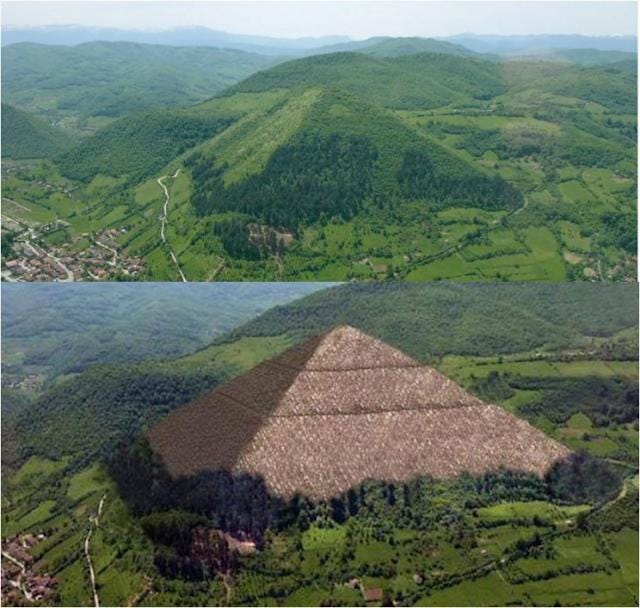
Isolated civilizations separated by oceans built monuments with strikingly similar shapes, proportions, and astronomical alignments. Did all these cultures, having just emerged from the supposed “Stone Age,” decide independently and simultaneously to abandon their huts to erect gigantic replicas of artificial mountains aligned with the stars?. The coincidence is so absurd that it forces one to consider a more uncomfortable possibility: that this global pattern is not the result of chance, but the footprint of a common body of knowledge, deliberately omitted by an archaeology that prefers silence over rethinking its dogmas.
These findings are not mere curiosities, but deep cracks that threaten the foundations of the official historical paradigm. Far from offering definitive answers, each new excavation raises more disturbing questions about a past that could be much more advanced—and more mysterious—than we imagined. By meticulously analyzing the chronology, iconography, and engineering of various ancient sites, the magnitude of the devastation inflicted on the obsolete narrative becomes increasingly evident. Official history, indeed, seems like a house of cards about to collapse.
In this new series of chapters will delve into the analysis of two of the most significant cracks fracturing the conventional narrative: technological contradictions that reveal knowledge impossible for their time, and chronologies that science prefers to ignore. Both anomalies suggest a unifying and disruptive hypothesis: the possible existence of a mother civilization, a global precursor whose knowledge was inherited, and misinterpreted, by subsequent cultures.
Out-of-Time Technologies: Copper against Granite
The academic narrative maintains that the ancient Egyptians carved, transported, and placed more than 3 million stone blocks—some weighing up to 80 tons—using exclusively copper chisels, wooden mallets, and hemp ropes. However, any stone machining professional can testify that this premise is physically impossible. Looking closely at the stones, a disturbing suspicion arises: official history is hiding something from us. But how is it possible that ancient civilizations, supposedly lacking cranes, motors, or computers, raised structures that today continue to defy our best engineers?
Academic Egyptology claims that the ancient Egyptians carved the 3 million blocks of the Giza plateau using only copper chisels and stone hammers. However, from a technical point of view, and performing an analysis of engineering and physics, this approach is unsustainable. A rigorous analysis of ancient artifacts and monuments reveals a fundamental dissonance between the technical means supposedly available in antiquity—tools of copper, stone, and wood—and the astonishing complexity of the results obtained.
That same gap becomes even more evident when considering the transport and placement of massive elements: no trace remains of how they moved eleven-hundred-ton obelisks distributed throughout the country. In the mortuary temple of Menkaure, there are 200-ton blocks; in the King’s Chamber of the Great Pyramid, others weighing 50 tons. And although the average weight of the blocks in the monument is just 2.5 tons, their number—some three million blocks—reinforces the doubt regarding the viability of the methods traditionally attributed to the ancient Egyptians. The only possibility for a solution is offered by modern technology. In today’s quarries, vacuum suction acting on a polished surface allows for the lifting of stones up to two tons; but how did the ancient Egyptians manage with blocks of more than sixteen tons or more?
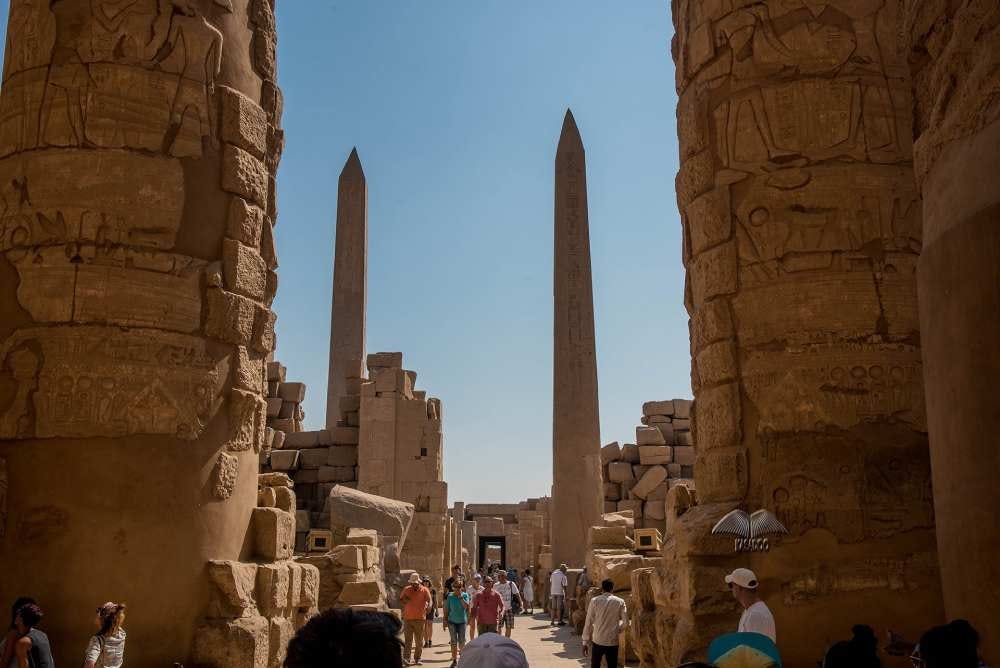
One must consider that building a straight line of 230 meters with prefabricated blocks requires an angular control on the order of one second of arc. Surprisingly, the precision of the Egyptian work even exceeds the tolerance of today’s best industrial squares (±0.03 mm according to the DIN 875 standard) and is unachievable with non-optical instruments, which accumulate errors of more than 300 seconds. This proves—almost like a theorem—that the Egyptians must have used high-precision optical instruments, such as autocollimating telescopes, whose typical errors are around 5 seconds. Polishing a single 20 m² casing block is equivalent to manufacturing the mirror for the Mount Palomar telescope. The Egyptians produced 27,000 of them 7,000 years ago: a mass production of optical surfaces that today is only achieved through artisanal methods. No other civilization achieved such a feat, which forces a serious reconsideration of their mastery of mechanics, optics, and geometry.
A particularly eloquent example is found inside the Pyramid of Khafre. Inside this pyramid, a descending passage becomes horizontal and then ascends to the burial chamber, where the builders placed a granite portcullis weighing nearly three tons—studied by Sir William Flinders Petrie—to seal the access. Given the cramped space—hardly suitable for six people—it is implausible that this block was introduced and positioned using only ramps and human strength. Faced with this enigma, Petrie concluded that the Egyptians must have employed machines, and very efficient ones.
If we accept that the Egyptians used machines, their nature remains to be determined. The classic hypothesis of ramps is rejected by the Belgian engineer Louis Croon, who stated that building them would require an effort comparable to that of the pyramid itself. Rollers are also useless, as wood was scarce and they are ineffective on sand. (Secrets of the Great Pyramid - Peter Tompkins - 1971)
The Great Pyramid is oriented to true north with an error of only 3 minutes and 24 seconds of arc—equivalent to the diameter of a 2 € coin seen from 1 km away—surpassing the precision of many modern methods (±10” in topographic polygons). The amazing thing is that the Pyramid of Khafre shares exactly the same error. Hardly attributable to chance or earthquakes, this coincidence suggests a deliberate intention and a technological mastery—including optical instruments—that allowed for the orientation of structures covering tens of thousands of square meters with an accuracy barely reachable today.
Walking through the Giza plateau, the “Basalt Floor” offers irrefutable proof of lost advanced technology. We find precision cuts of millimetric accuracy, sharp and perfectly parallel edges on stone blocks, which can only be achieved with stable and highly rigid cutting machines—technology that did not exist according to official history. The edges show striations that could only have been left by a high-speed cutting machine that remained completely stable during the process.
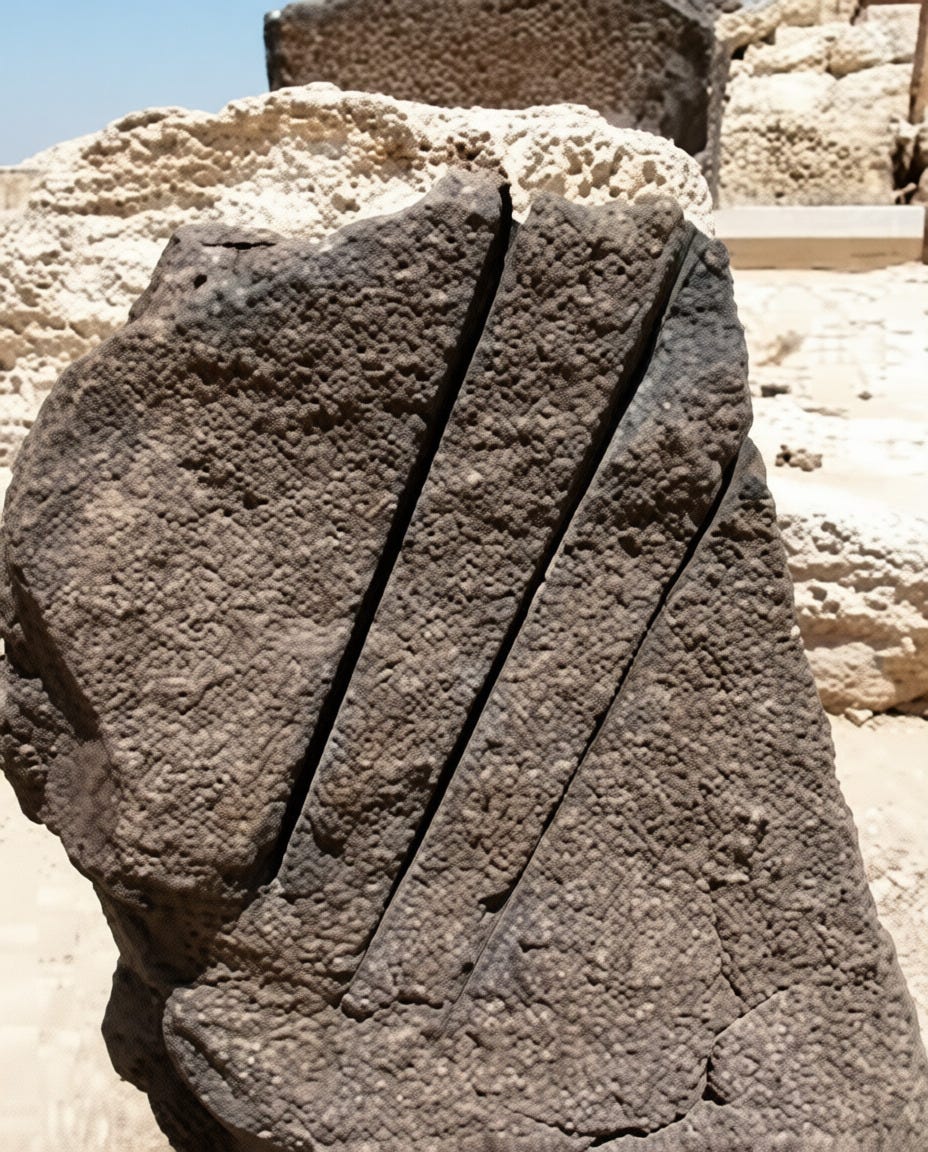
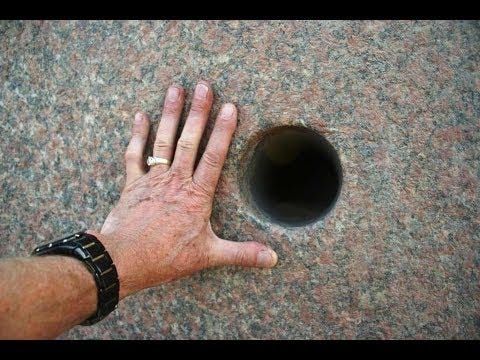
Even more disconcerting are the remains of tool marks identical to modern ones, such as cylindrical drills or core drills found in the granite. When analyzing the spirals engraved inside the holes, it is discovered that the tool advanced 2.5 millimeters per revolution. To put this in perspective, our modern diamond-tipped drills only advance 0.05 millimeters per revolution; Egyptian technology was 50 times faster and more efficient than ours. It is estimated that to achieve such progress, these machines had to operate under massive pressure of 2000 kilograms. In light of these figures, the official version that these works were carried out by men of the Stone Age or the Neolithic lacks scientific foundation.

The official world says the pyramids were made in the Copper Age, but it is hard to believe how they carved materials as hard as granite, porphyry, or diorite with such tools. It is enough to buy a sample of diorite—available for one euro in mineral shops—and try to drill it with a tungsten carbide (widia) bit (hardness 11): after minutes of fruitless effort, one wonders how it was possible to sculpt the statue of Khafre, carved from a single piece of green diorite, with copper tools.
Let us analyze the hardness data on the Mohs scale to check the inconsistency of the archaeological world:
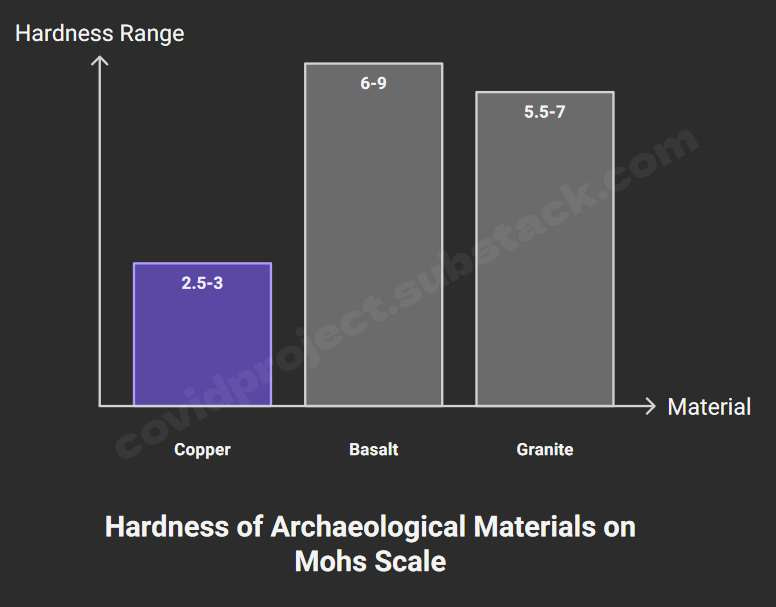
Basalt presents a hardness factor of between 6 and 9 on the Mohs scale, and granite usually falls between 5.5 and 7. In contrast, copper has a hardness of only 2.5 to 3.5. Attempting to carve granite with copper is physically impossible; this attempt has been compared to trying to “cut a marble table with scissors.” It is physically impossible to carve basalt or granite with copper chisels and stone hammers with the millimetric precision we observe in Giza. The tools would disintegrate before making a significant dent. Not even the use of quartz sand as an abrasive explains the efficiency needed to process millions of blocks, as the tool wear would be massive and there are no traces of the immense foundries required to recycle the millions of chisels that would have been destroyed in the process.
The enigma deepens when observing the drill cores. Sir William Flinders Petrie documented granite cores in the 19th century with helical grooves of astonishing regularity. Modern researchers like Christopher Dunn have identified that the feed rate of these ancient drills was 2.5 millimeters per revolution, while today’s most advanced diamond-tipped drills advance only 0.05 millimeters per revolution. To achieve such penetration, a massive vertical load of approximately 2,000 kg would have been required—something impossible to apply with manual copper tools without the tube collapsing. These marks suggest, instead, the use of ultrasonic machining, where the tool vibrates at extremely high frequencies to disintegrate the stone.
We even find traces of what appear to be industrial circular saws. On the so-called “Basalt Floor,” east of the Great Pyramid, precision cuts with characteristic “over-cuts” are observed. These occur when a circular tool goes past the intended limit, leaving a curved mark indicating the use of discs up to 3 meters in diameter, mounted on stable and possibly motorized structures, capable of cutting the extremely hard basalt (Mohs hardness 6) as easily as a knife cuts butter.
But what few dare to admit is that these findings are not isolated cases. And yet, so-called “official science” does everything possible to bury, silence, or disguise them with explanations so absurd they border on the comical. Although, as we have seen on other occasions here, archaeology was another science created to cover up rather than to discover. Let us look at some of those examples that institutions would prefer you never see:
Drilling in diorite: Diorite is one of the hardest rocks on the planet; holes have been found whose precision and efficiency defy conventional technological capabilities. Both the engineer Sir Benjamin Baker (Victorian engineer), and the expert Joseph Davidovits (Doctor of Science / PhD in Chemistry). have documented these holes, noting that, by today’s standards, they could only be made with diamond bits. In fact, not even modern drills without diamond tips manage to penetrate diorite with such efficiency.
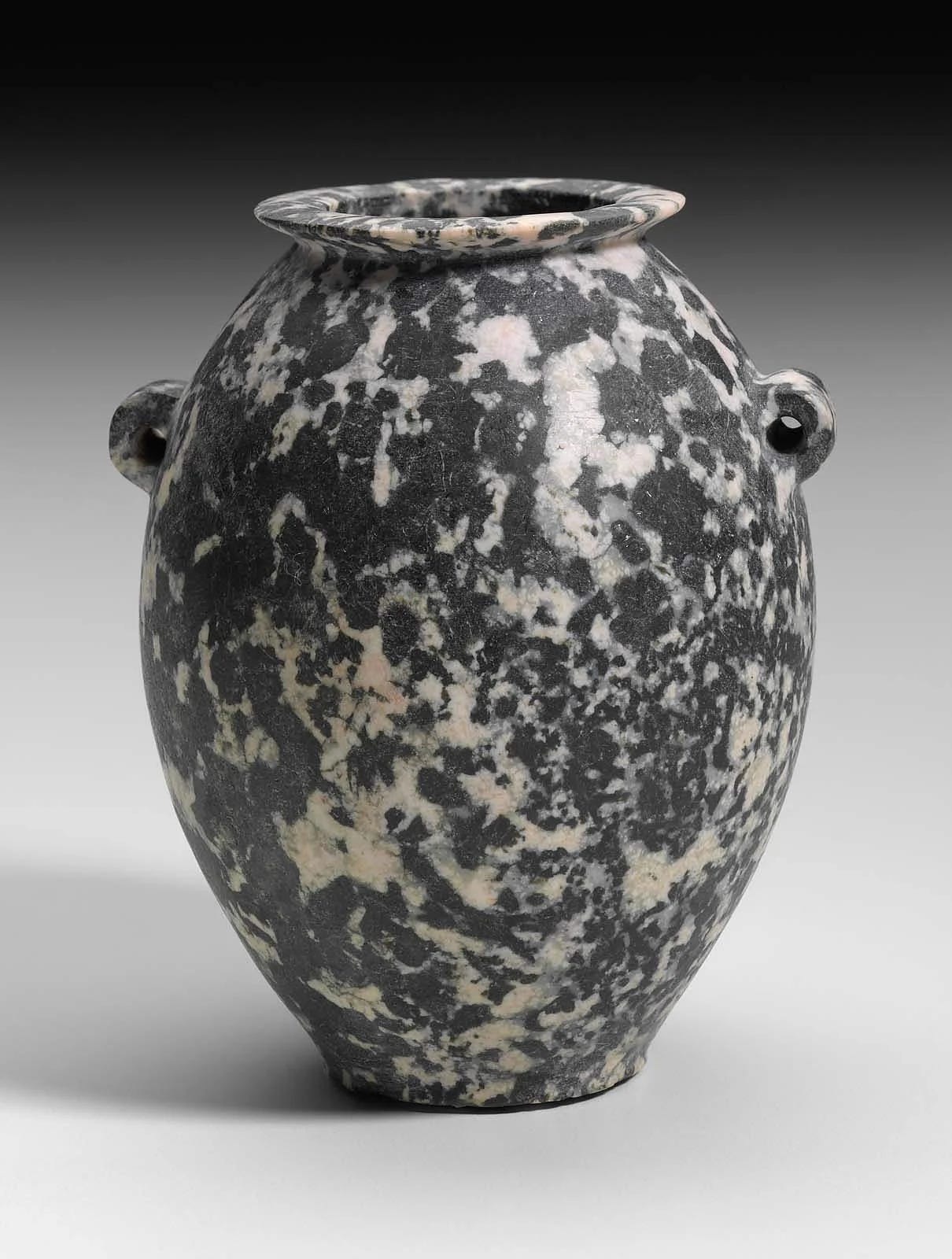
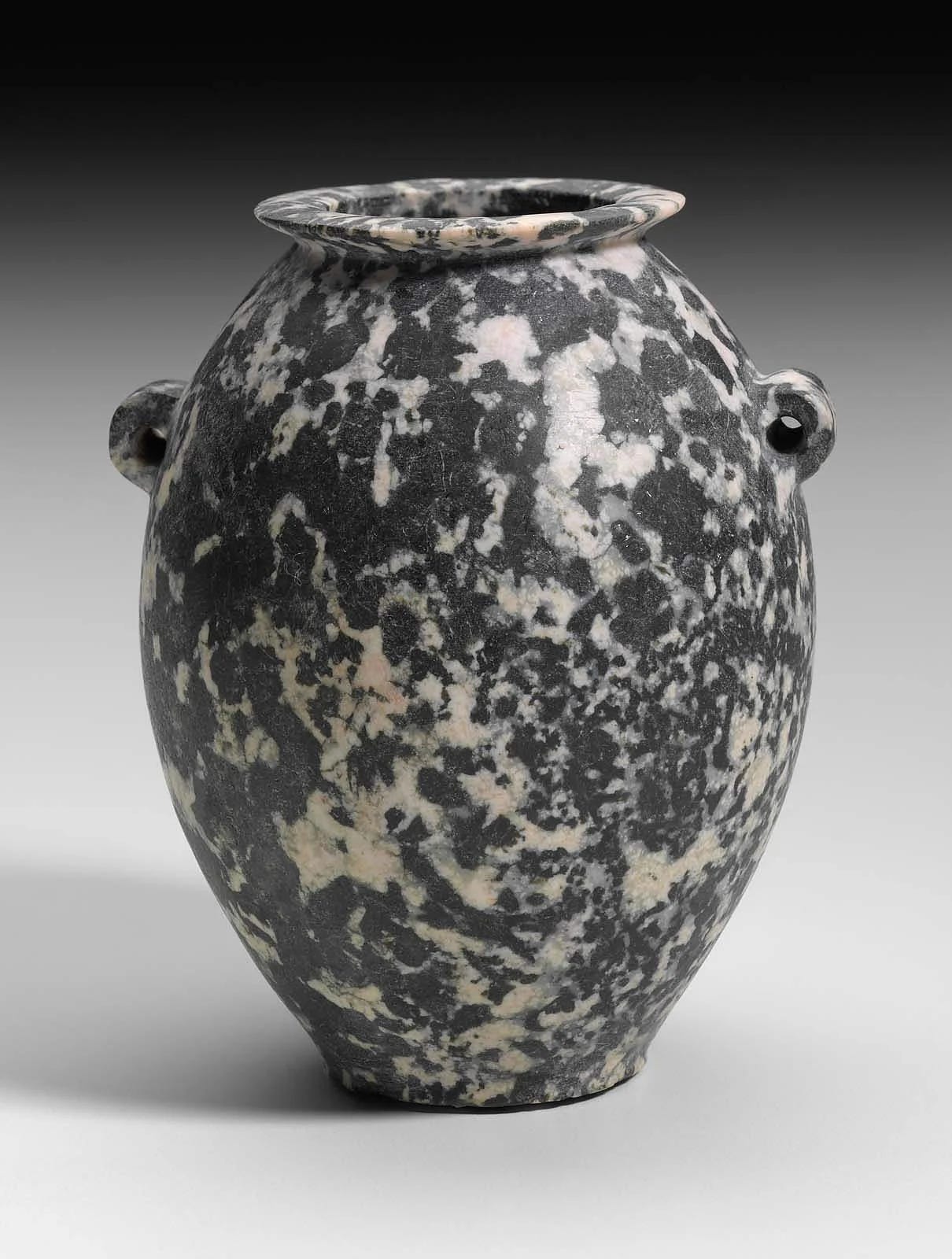
Diorite and granite vessels from ancient Egypt: Pieces polished with absolute perfection both inside and out, despite having necks so narrow that not even a hand can be inserted into them. Analysis indicates they were drilled with a pressure 500 times greater than what is achievable today with industrial artificial diamond-tipped drills.
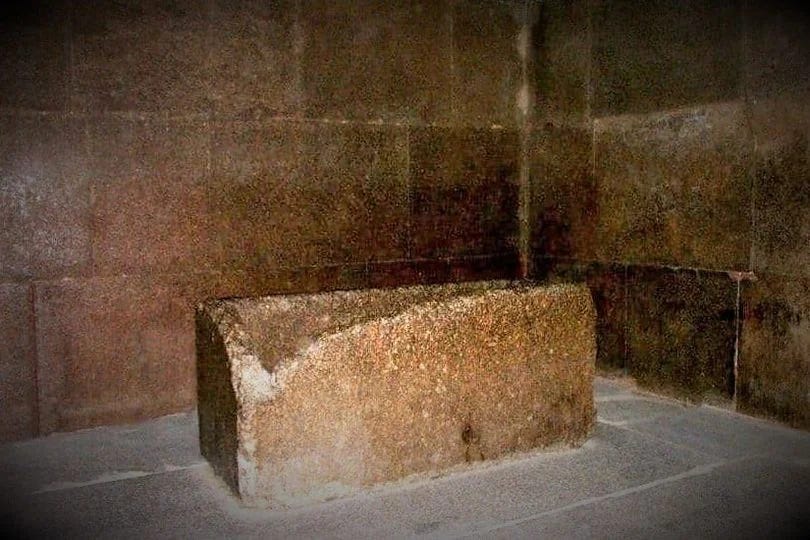
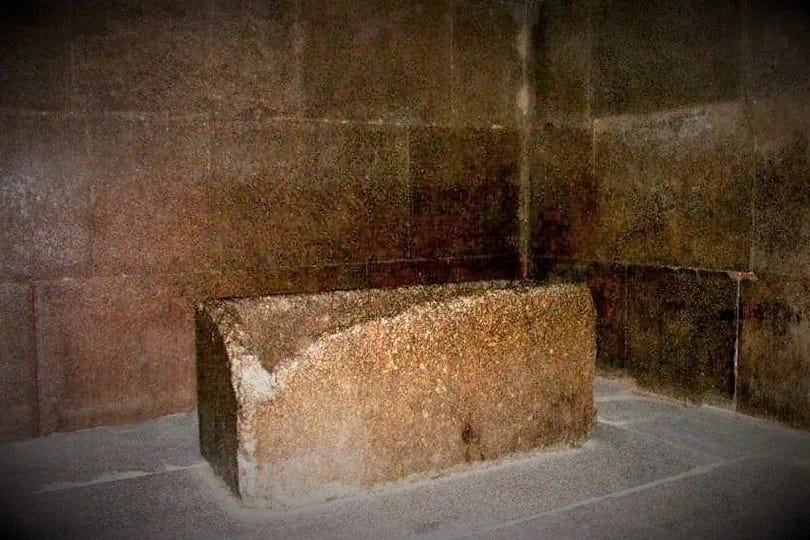
The Sarcophagus of the King’s Chamber (Great Pyramid): Carved from a single block of granite with astonishing precision; the imperfection of its surface is less than a tenth of the thickness of a human hair.
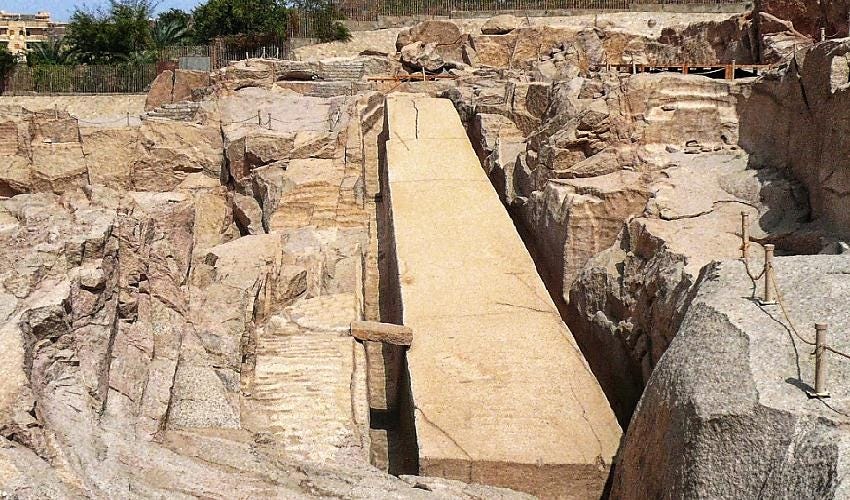
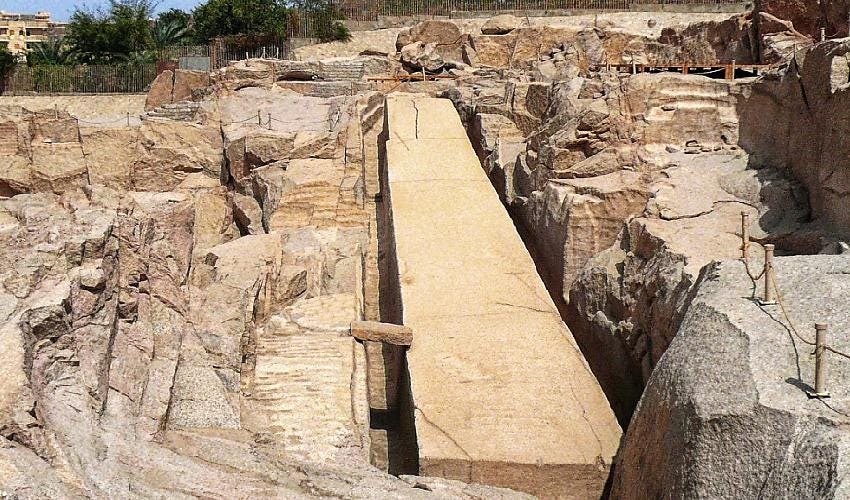
The Unfinished Obelisk of Aswan: Abandoned in its quarry, it presents clean, straight, and deep cuts that, according to experts, could only be achieved with tools equipped with diamond inserts, given the hardness of the granite and the quality of the finish.
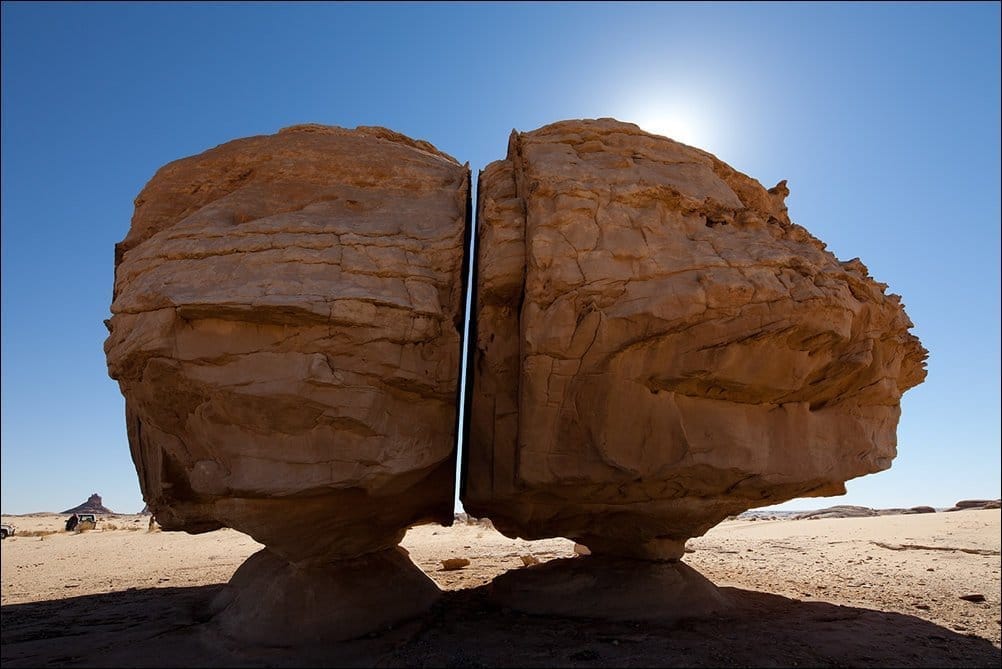
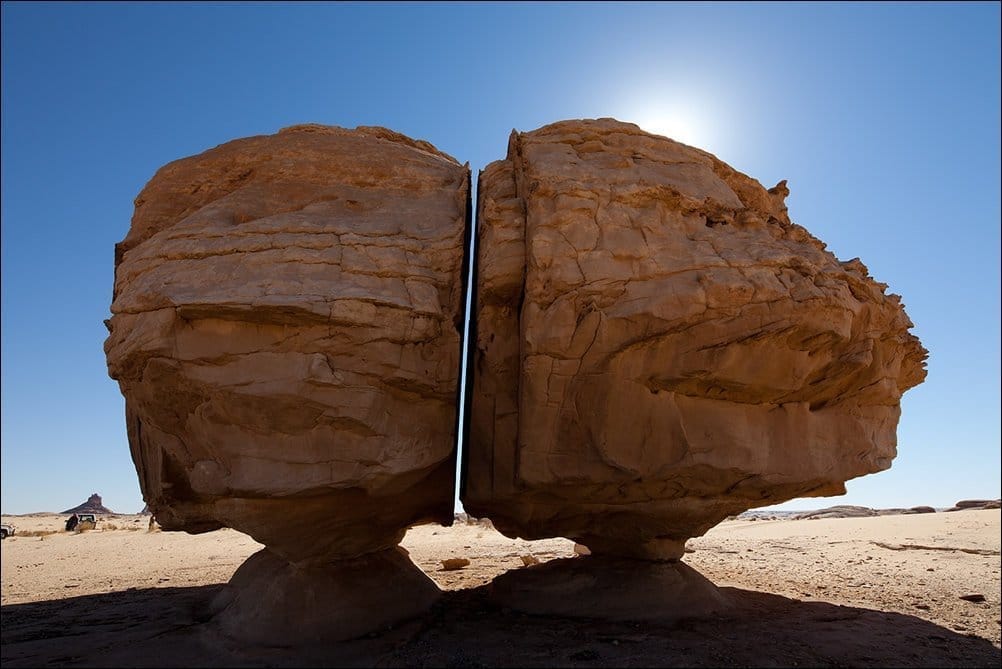
The Al Naslaa Rock (Saudi Arabia): Split into two halves by a fissure of perfect flatness, verticality, and uniformity. The official explanation—natural erosion—lacks logical sense: if such a phenomenon were possible, it would not be an isolated case in the world.
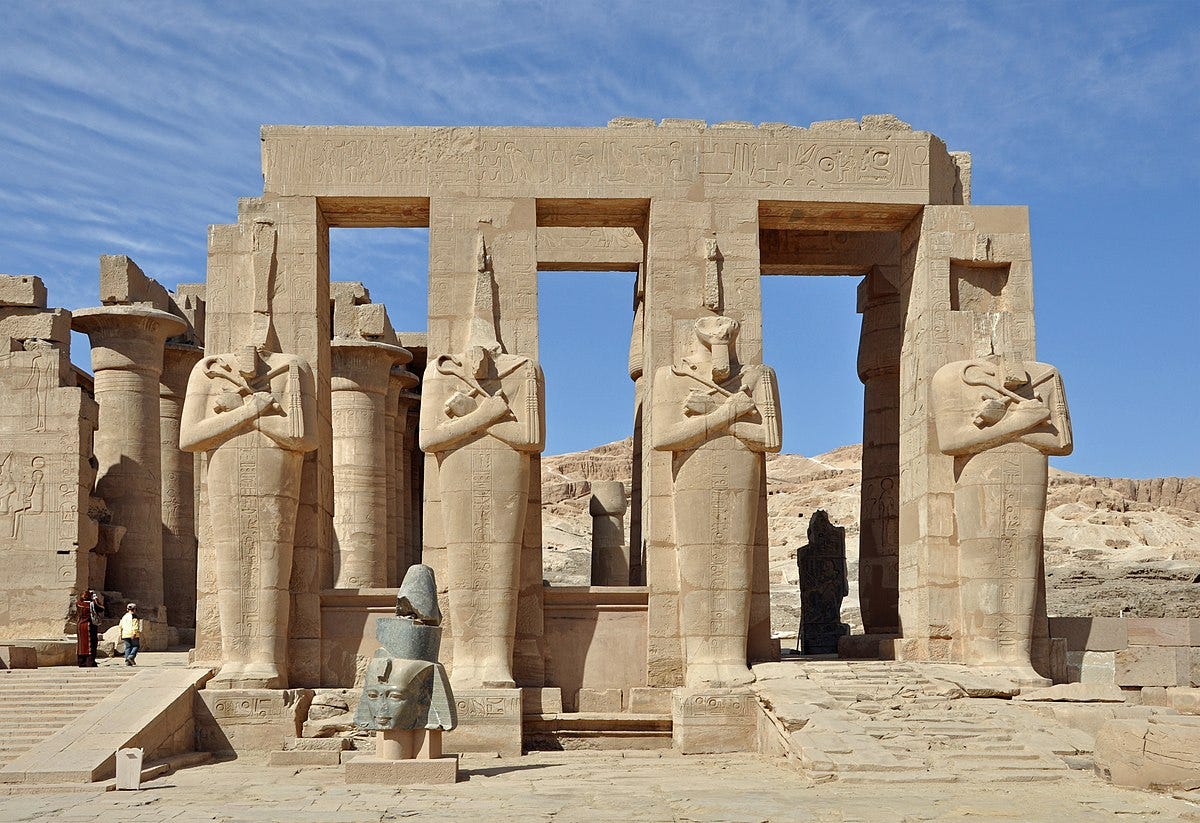
The Ramesseum: A thousand-ton statue that defies any ancient transport logistics.
How could they leave these traces if, according to the official narrative, their builders completely lacked machinery? Theories exist that try to explain the inexplicable. Joseph Davidovits, director of the Geopolymer Institute in Paris, suggests that the Egyptians did not carve the stones but molded them using a synthetic stone technique. However, the cut marks on the basalt floor contradict the idea of simple molding, pointing instead to a capacity for massive and rapid machining that did not avoid “unnecessary” extra cuts because the technology employed made the work fast and easy.
These anomalies are not minor curiosities, but tangible physical evidence that radically questions the idea that ancient civilizations lacked advanced technology. The conclusion is inevitable: the official theory regarding the builders of these monuments is simply incorrect. This reveals the existence of a civilization much more advanced than the current one, yet archaeology denies these facts.
Cosmic Precision and Advanced Knowledge
If the construction is a challenge to logic, its design is a slap in the face to our supposed technological superiority. The Great Pyramid is not just a pile of stones; it is a stone computer that encodes universal mathematical and astronomical information.
Its orientation to True North is almost perfect, with an error of just 3 minutes of arc. This precision is superior to that of the Royal Greenwich Observatory in its early days. But there is more: the pyramid does not have four faces, but eight. Through a subtle concavity in the center of each face—only visible from the air during the equinoxes—the builders demonstrated a knowledge of spherical geometry and the solar cycle that official science does not attribute to the Egyptians.
Furthermore, the dimensions of the pyramid encode constants such as the number Pi and the Golden Ratio, and most amazingly: the exact latitude of the center of the Great Pyramid is 29.9792458° N, a figure that identically matches the numerical value of the speed of light in a vacuum (299,792,458 m/s). Is this a statistical coincidence or the legacy of a science that understood the relationship between light, time, and matter?
These data reveal sophisticated knowledge in astronomy, mathematics, and geophysics. Let us look at other important aspects:
Geometric Precision: The Great Pyramid of Giza is a compendium of technical feats. Its orientation to true north shows a deviation of only 3 minutes of arc, with an imprecision not exceeding 3 minutes and 20 seconds toward the west. The casing blocks, weighing 16 tons each, were placed with joints so perfect that today optical instruments and vacuum bells would be required to replicate it. Furthermore, it has been verified that two Egyptian cubits are equivalent to 1.047 meters, the corrected measure of the meter that could only be verified in the space age.
Astronomical Alignments: A global pattern of celestial alignments exists. The three pyramids of Giza reflect the arrangement of the stars in Orion’s Belt, as well as their relationship with the star Sirius.
Anomalous Technologies: Evidence of inexplicable technologies goes beyond construction:
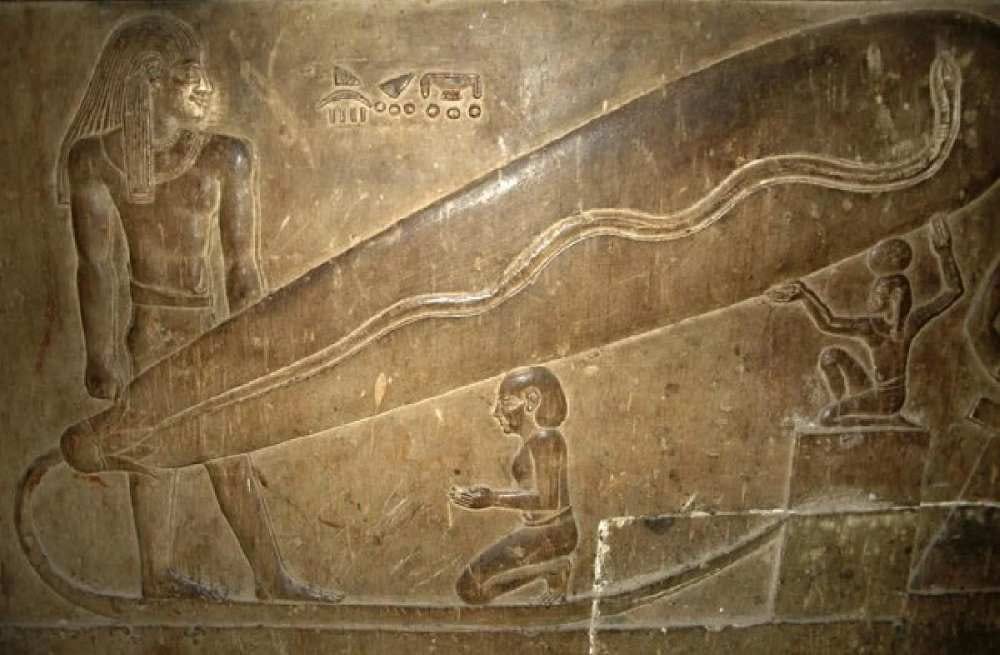
Electricity in Egypt: The reliefs of the Temple of Dendera show figures holding objects that resemble large light bulbs, with snake-shaped filaments inside, leading engineers to suggest they represent a form of electrical lighting.
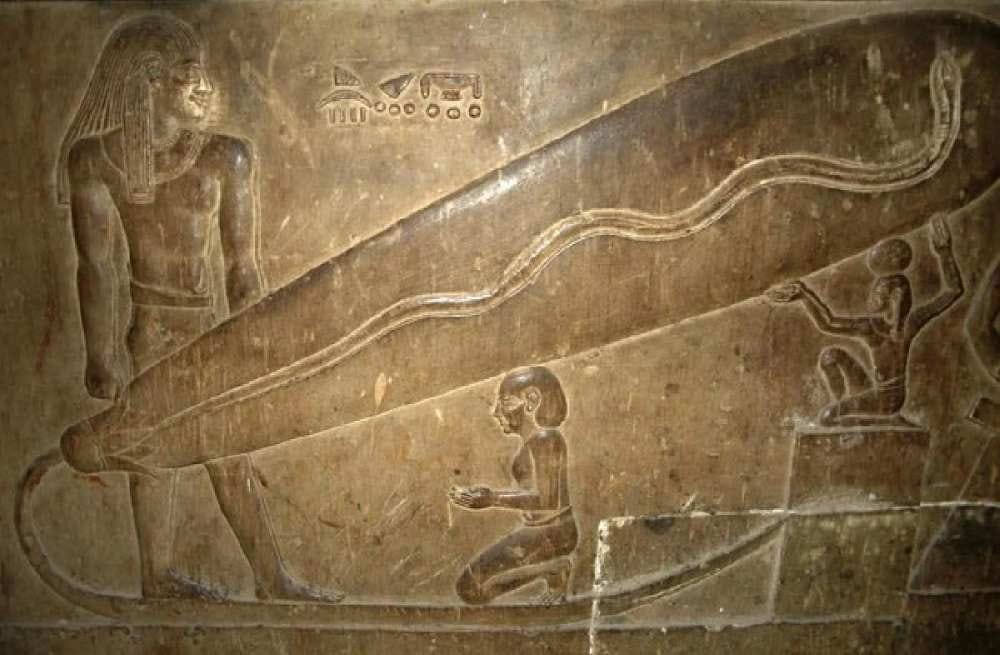
Hathor Temple of Dendera The Sphinx of Giza (Egypt): Geological evidence on the body of the Sphinx and the walls of its enclosure shows a vertical erosion pattern caused by torrential rains. This type of climate has not existed in the Sahara Desert since the end of the last ice age, more than 10,500 years B.C. This suggests that the Sphinx is millennia older than the pharaohs to whom its construction is attributed.
The Pyramid as a Machine: Resonance and Energy
Before delving into the technical details of these revolutionary investigations, it is important to note that the evidence outlined here—ranging from electromagnetic resonance to vast subterranean structures—constitutes only a preview of a much deeper analysis to be presented later. To avoid overextending this chapter, and given the magnitude and implications of these findings, which suggest a complex technological function far removed from mere sepulchers, we will dedicate several subsequent chapters to meticulously dissecting each study, methodology, and discovery. This approach will allow the reader to fully comprehend the true scale of what could prove to be the greatest archaeological revelation of our era.
The conventional theory that the pyramids were tombs lacks conclusive evidence: no mummy nor original inscriptions confirming such use have ever been found within the Great Pyramid. Instead, its internal structure suggests a far more complex technical function. The extensive use of pink granite in the King’s Chamber is not merely aesthetic; this material, rich in quartz crystals, is piezoelectric, meaning it generates electricity when subjected to pressure or vibration. Christopher Dunn, a professional with decades of experience in the aerospace and heavy machinery industry, proposes that the pyramid functioned as a resonant cavity coupled to terrestrial vibrations, a hypothesis supported by recent research.
A 2018 study by ITMO University (Russia/Germany), published in the Journal of Applied Physics, confirmed through theoretical physics and multipole modeling that the Great Pyramid can concentrate electromagnetic energy within its internal chambers and beneath its base, acting as an antenna or waveguide in the 200–600 meter range. The researchers suggested that these physical principles could be applied to the design of nanoparticles for more efficient sensors and solar cells, positioning the pyramid as an amplifying resonator and oscillator whose wavelength is proportional to its own dimensions.
In 2022, Filippo Biondi (University of Strathclyde, UK) and Corrado Malanga (University of Pisa, Italy) published a study in Remote Sensing on Synthetic Aperture Radar (SAR) Doppler Tomography, revealing a complex internal structure featuring previously unknown passageways, ramps, and chambers. The authors propose a functional acoustic and hydraulic theory, suggesting the monument operated as a gigantic resonator connected to the flow of the Nile.
Subsequently, in 2024, Japanese and Egyptian archaeologists discovered two subterranean structures near the Great Pyramid using ground-penetrating radar and electrical resistivity tomography, with results published in Archaeological Prospection.
Investigations in 2025 using SAR Doppler tomography expanded upon these findings: Biondi reported eight artificial spiral columns descending more than a kilometer beneath the Pyramid of Khafre, connecting to chambers approximately 80 meters wide. The Giza Project 2025 integrates diverse methods (muography, GPR, high-resolution 3D scans) that cross-validate the hypotheses from the 2022 study. This synergy between remote and local techniques exemplifies modern archaeology, where combining approaches enhances the understanding of complex heritage structures, suggesting that the pyramids may be merely the visible tip of a massive, interconnected technological system.
The Legacy of the “Gods”
The two main “cracks” analyzed in this chapter—technological impossibility and the chronological unsustainability of the official historical model—converge to paint a radically different picture of our past. These anomalies, far from being isolated exceptions, form a coherent and persistent global pattern.
Even in the smallest objects, the technology is indisputable. In the storerooms of the Step Pyramid of Saqqara, more than 30,000 stone vessels of terrifying perfection were found. Vessels of diorite and magnetite (extremely hard materials) with narrow necks and rounded bases that maintain perfect balance. Engineering analysis shows they were made with high-precision lathes, presenting deviations of less than 25 microns, a precision that is only achieved today with computer numerical control (CNC) machines.
This evidence leads us to an inevitable conclusion: we are not looking at the work of a Bronze Age culture, but at the remains of an earlier civilization that possessed “forbidden” technology. In all ancient cultures, from the Sumerians to the Mayans, myths do not speak of a gradual discovery of knowledge, but of a gift from the “gods.”
If we traverse Egypt with a critical eye, the enigmas multiply in places that tour guides and Egyptologists prefer not to speak of; I have already mentioned some examples earlier. Even the stellar alignment is a subject of debate. Although many associate the pyramids of Khufu, Khafre, and Menkaure with Orion’s Belt, researchers like Robert Temple, a graduate in Classical and Oriental Literature from the Universities of Pennsylvania and London, specializing in comparative mythology, history of science, suggest even more complex theories about their purpose and origin.
Egypt is not alone in this disconcerting anomaly. Across the length and breadth of the planet, cultures separated by oceans, deserts, and millennia seem to repeat the same story: the fundamental knowledge of civilization—agriculture, architecture, mathematics, astronomy—was not the result of slow human trial and error, but was given to them. According to their oldest myths, beings from elsewhere, often described as gods, luminous, or even celestial, descended among men to create them, instruct them, and found their first societies.
The Anunnaki in Sumeria, the Elohim of the Hebrews, the Viracochas in the Andes, the Nommo in Africa, or Quetzalcoatl in Mesoamerica; these are all different names for the same forgotten but never fully erased event. Even in Australia, in remote regions of Africa, and in ancient Chinese texts, echoes of this same narrative resonate: entire civilizations claim that their origin was not terrestrial, but was seeded from above.
All these accounts share common symbols: stars as divine guidance, celestial ships (Merkaba), and the creation of the human being through external intervention. The pyramids and other impossible constructions are aligned with the sky not for aesthetics, but as a symbolic record of real events.
Official archaeology asks us to believe in miracles: that a Stone Age people built perfect monuments with toy tools. Critical archaeology asks us to look at the marks on the stone. The striations in the basalt and the precision in the diorite are the “black boxes” of a lost history.
If the ancients were not inventing their myths, then they were remembering. Humanity is not at the peak of its technological evolution; perhaps we are only recovering fragments of a past where the stars were much closer than we are allowed to admit today. And those traces of that lost time are still before us: in perfectly aligned pyramids, in diorite blocks drilled with millimetric precision, in temples carved into living rock with angles that defy constructive logic. These “impossible” constructions are not just challenges for modern engineering; they are, above all, invitations to doubt, to investigate, and to consider a past much more mysterious and advanced than official history has allowed us to imagine.
Bibliography
Christopher Dunn: The Giza Power Plant: Technologies of Ancient Egypt (1998).
Robert Temple: The Sirius Myster (1976)
Sir William Flinders Petrie: The Pyramids and Temples of Gizeh (1883).
Peter Tompkins: Secrets of the Great Pyramid. (1971)
Sir Benjamin Baker: The Construction of the Great Pyramid (1883). Conferencia presentada ante la Institution of Civil Engineers en Londres.
Joseph Davidovits: They Built the Pyramids (2006)
Kapitanova, P., Evlyukhin, A., Baryshnikov, K., & Miroshnichenko, A. (2018). Electromagnetic properties of the Great Pyramid: First multipole resonances and energy concentration. Journal of Applied Physics,. (https://doi.org/10.1063/1.5026556).
Biondi, F., Muñoz, D. C., & Pannozo, M. (2022). Synthetic Aperture Radar Doppler Tomography Reveals Details of Undiscovered High-Resolution Internal Structure of the Great Pyramid of Giza. Remote Sensing, 14(20), 5231. (https://doi.org/10.3390/rs14205231)
Sato, M., Takayama, T., Kato, S., & El-Banna, M. (2024). Discovery of two subsurface structures near the Great Pyramid using ground-penetrating radar and electrical resistivity tomography. Archaeological Prospection, 31(2), e1940. https://doi.org/10.1002/arp.1940
 | A guest post by
|
As expected, the official world denies the existence of pyramids in Bosnia, but the evidence shows otherwise. There is ample proof, including discovered remains and tunnels within the area. It's the same story as graphene, very well illustrated on this site.
Deception is everywhere. The arguments of the official world, of archaeology, are ridiculous, given the overwhelming evidence pointing to advanced technology in Egypt. Of course, this technology wasn't actually possessed by the Egyptians; it was the technology of the supposed or false gods. I say false because they weren't gods at all, but beings with advanced technology, and they left their mark all over the world. Then archaeology comes along trying to cover it all up, so that people don't wake up and remain deceived.